


CAPITALEAST aims to shed light on Middle Eastern rurality from a new angle, illuminating the parts of its history that remained unseen due to the existing literature’s focal point, perspective, and methodology.
While historians of the Ottoman Empire, the Republic of Turkey, and the French and the British mandates had told the Middle Eastern history many times, these studies either dismissed the rural space and agency or embedded them into a well-established “victims and resistors” narrative. What these studies generally have in common is that they consider the rural spaces as isolated units that had little to no contact with the local, imperial, and, most importantly, the global networks.
CAPITALEAST, on the other hand, aspires to fill the gaps these studies have left behind, arguing that the Middle Eastern rurality neither existed in a vacuum nor was entirely victimized by and, therefore, resisted the change. Even research conducted from a global, translocal, or connected history approach fails to provide an adequate platform for rural space and agency. They address rurality merely as the “dependent variable” of the urban narrative and, as a result, leave a significant portion of the region overlooked and misperceived.
This project expands the spatial scope of the Middle East’s capitalist history, shifting its research focus from the region’s commercialization to the countryside and interior areas. As the Middle Eastern urban space slowly but surely became increasingly integrated into the global capitalist system, it was inevitable that the rural space would also experience this integration. The capitalization of rurality goes hand in hand with the commodification of agricultural production and animal husbandry, two of the primary sources of income of the rural actors in the region.
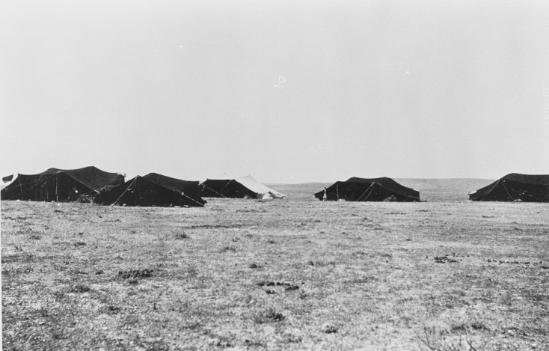
Source: Getrude Bell Archive
The very nature of this project requires both a qualitative and data-driven historical enquiry. A multidisciplinary approach built on economic, sociological, anthropological, and environmental studies will complement the archival and published sources, creating a narrative that enables us to view the Middle Eastern rurality’s experience with global capitalism from different angles. Combining the abovementioned disciplines will help the project produce results that they failed to yield individually.
CAPITALEAST seeks to demonstrate how the Middle Eastern processes of capitalist transformation should be placed in a translocal and global context to fully comprehend their evolution and impact. The rural actors maintained their trans-border commercial, social, and political relations during the Ottoman modern age and post-Ottoman period. Their engagement with the global sphere gradually increased during the timeframe selected for this project, the years between 1870 to 1945 can best be understood if a translocal and global approach is assumed. The longitude of the period selected is crucial to identify the continuities and discontinuities within the capitalist history of the Middle East. The longitudinal analysis will help to examine the entangled and interconnected dynamics of state-society, urban-rural, and global-local entities from the late Ottoman era to the end of the Second World War in matters of the commodification and productivity of rural tribal property.
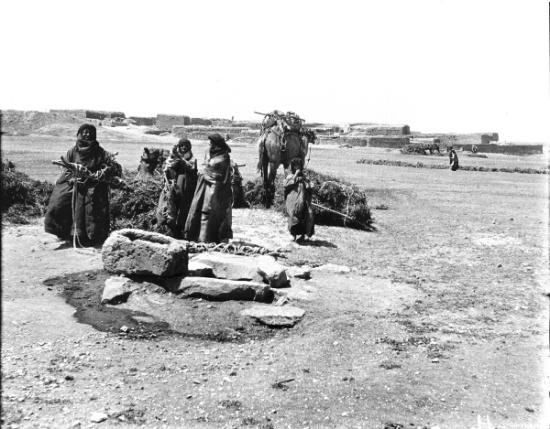
Source: Getrude Bell Archive
On top of all these, CAPITALEAST aims to show the multiplicity of agency in the rural space, which includes international capitalists, imperial rulers, and urban merchants (of diverse ethnic and religious origin) in addition to its usual residents, tribal society, and tribal elders. Combining classic historical and anthropological research methods, CAPITALEAST accounts for the perspective of the imperial Ottoman, Western colonialist and Republican Turkish centers, but it focuses in on the agency of local tribal leaders and the tribespeople, urban politicians/elites and foreign merchants from various ethnic, religious and sectarian backgrounds, examining the interplay and impact of individuals, social groups, and state institutions at the local, regional, and global levels. In so doing, it allows the project team to track and compare ‘small-scale’ experiences and combine these stories and their inherent agency with a wider global and translocal narrative. Differentiating between the agency of the tribespeople and their leaders and comparing the various ethnic, religious, and sectarian groups also enable the project members to gauge the role of socio-economic status, ethnic, religious, sectarian, and cultural background, and other key factors shaping society’s experiences and uses of capitalism.
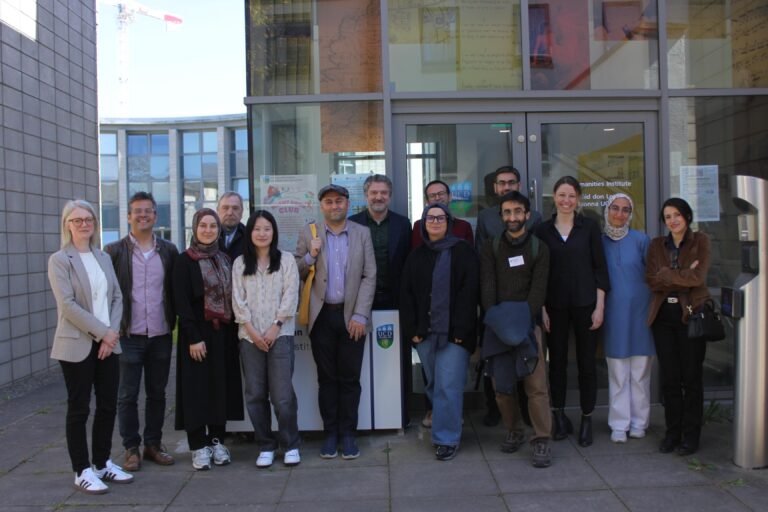
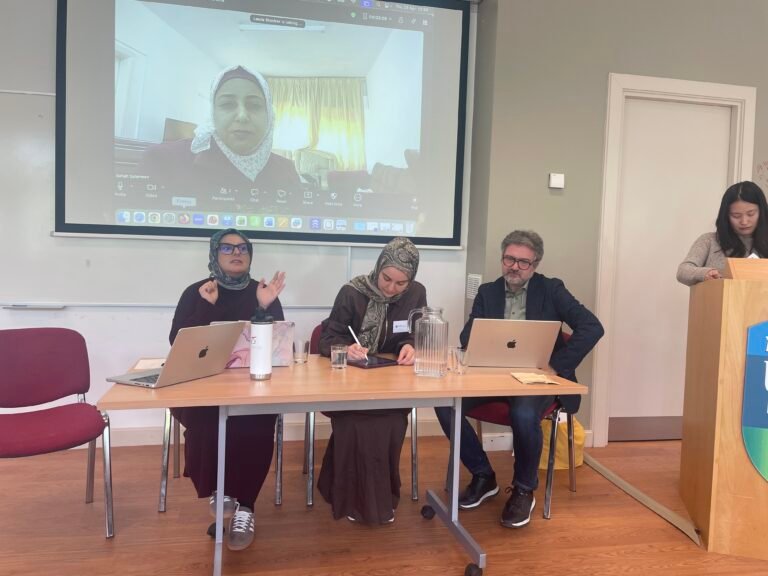
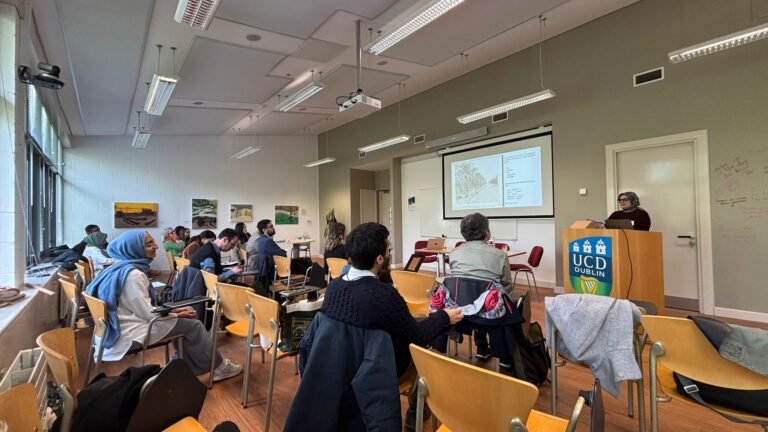
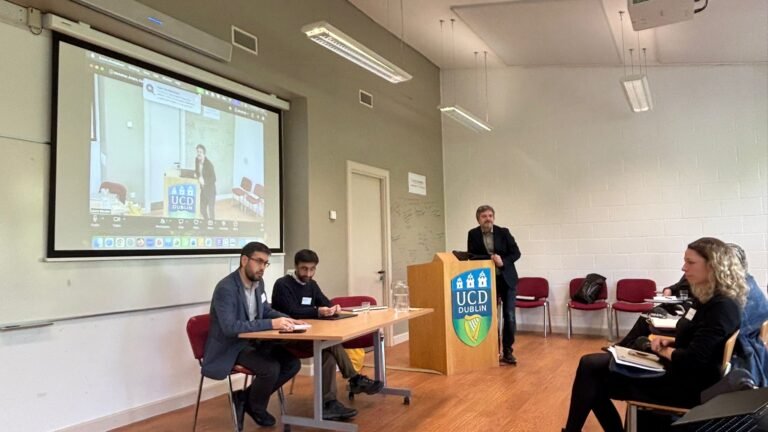
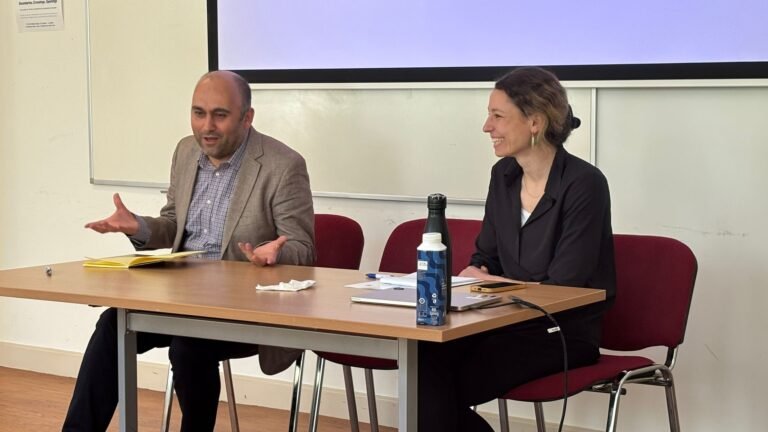
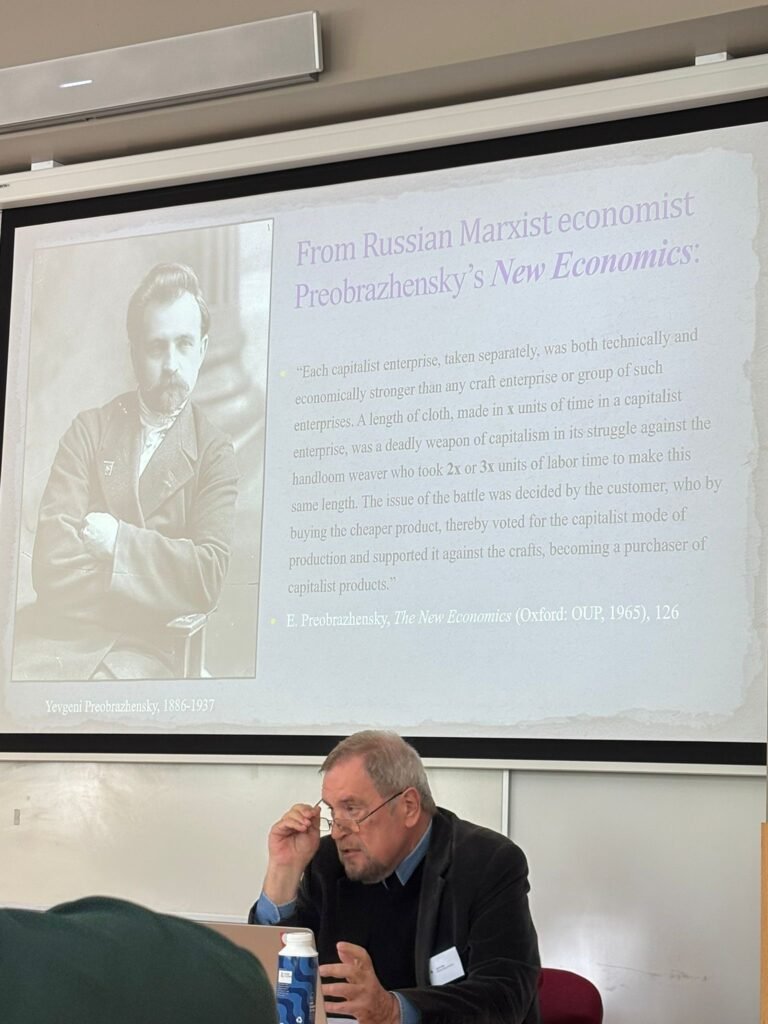
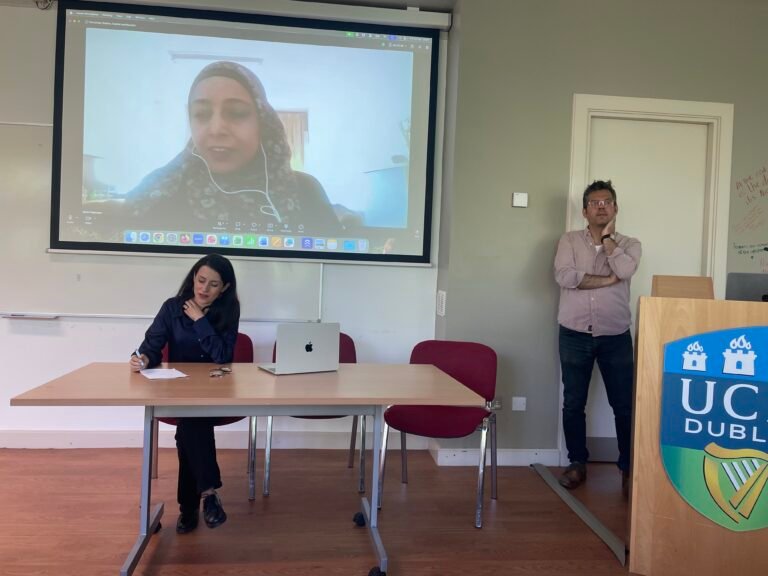
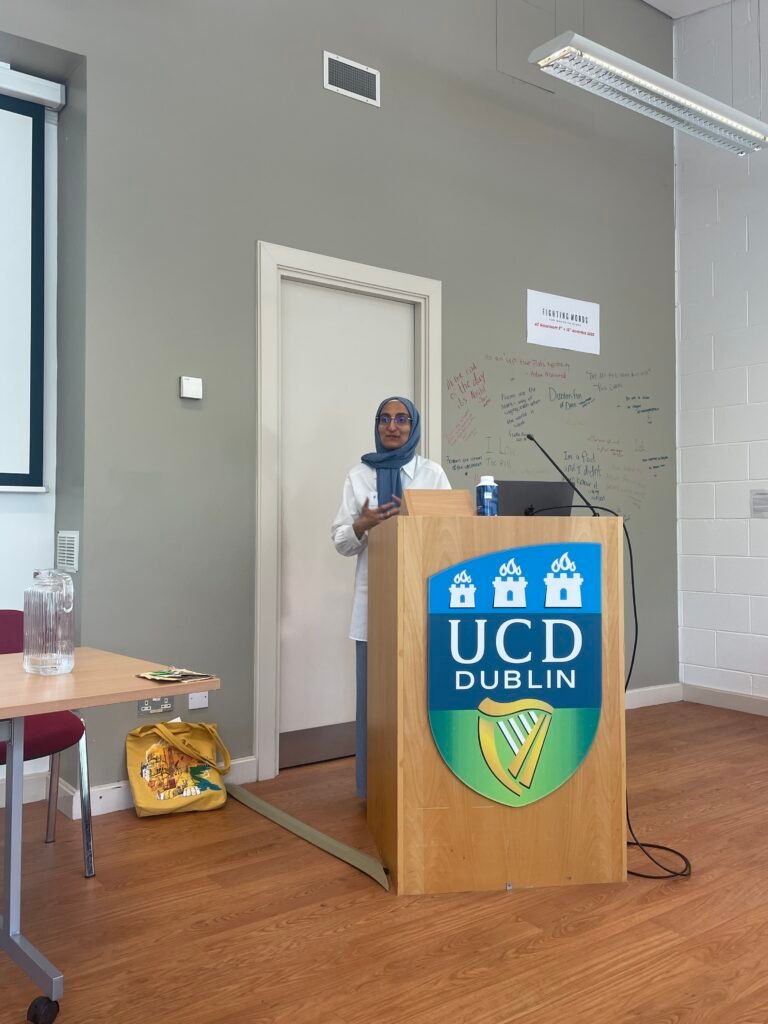
Workshop Empire, Capital and Rurality in the Modern Middle East, 1850-1950
Publications